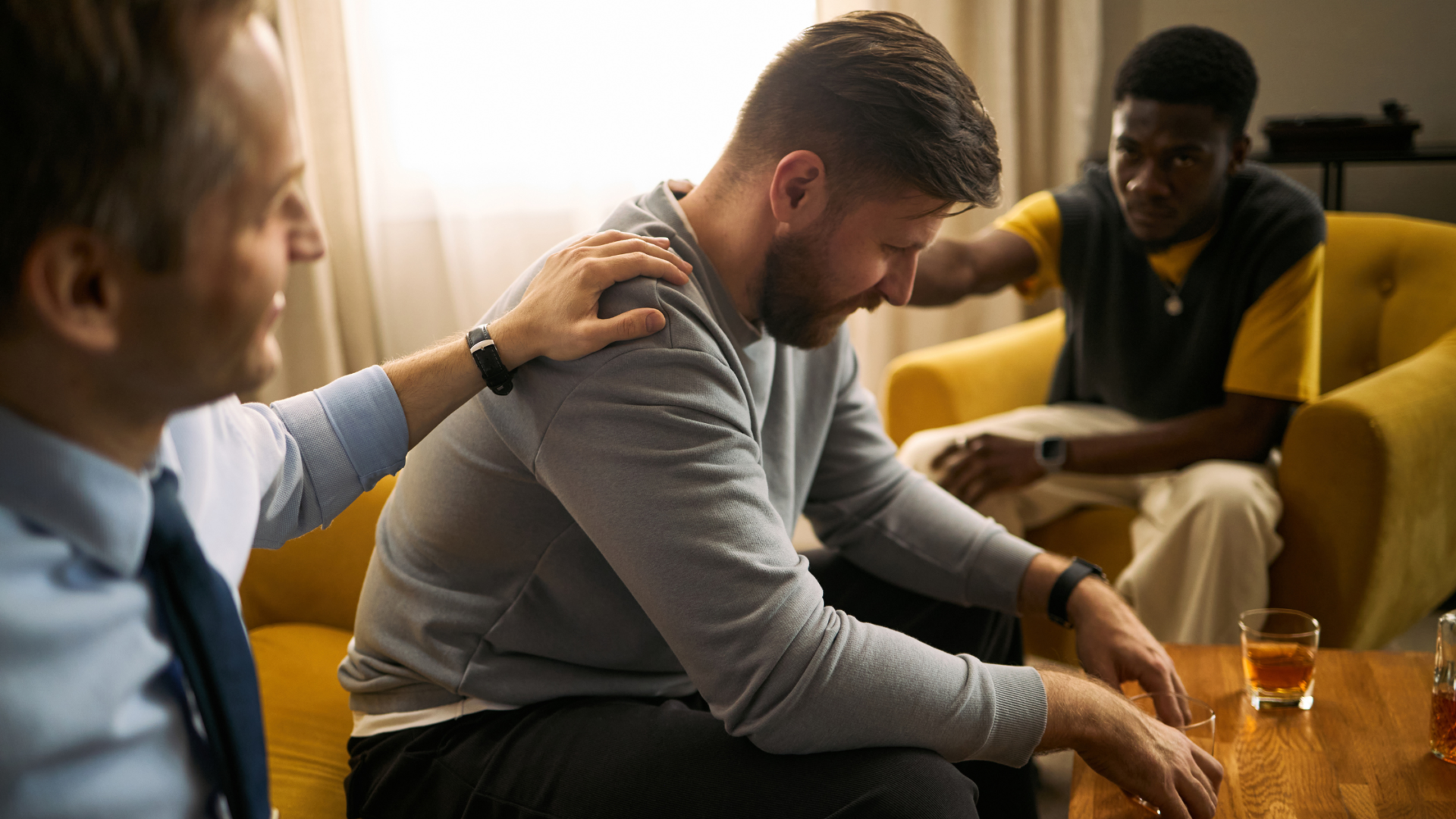


As a Peer Supporter integrated at MetroHealth Broadway, Hunter Von Carlowitz provides compassionate, peer-based support to individuals who may be struggling to connect with traditional services or communicate what they are experiencing. This story, shared through Hunter’s experience supporting one peer, demonstrates how a simple human connection can create an opening for hope and engagement in recovery.
When Hunter first met the peer, he could immediately tell that the individual was struggling deeply. Staff had shared that the peer had not opened up much to them, so they asked Hunter to spend some time talking with him.
What happened next was unexpected.
Within only a few minutes, Hunter and the peer discovered common ground through their shared understanding of hardship and recovery. Hunter’s own lived experience allowed him to connect with the peer in a way that felt different from a traditional clinical interaction. There was an understanding that did not require every feeling to be explained.
The peer became emotional and Hunter did, too.
While maintaining appropriate professional boundaries, Hunter allowed the peer to see that his emotions came from a genuine place of empathy and understanding. He was not there to tell the peer exactly what to do or pretend to have all the answers. He was there to let him know that someone understood how difficult the moment felt.
Eventually, the peer was taken back for his initial counseling session. Hunter assumed their interaction had come to an end. Later that day, however, Hunter returned to the front desk and found the peer still there.
He had missed his bus. His phone was dead. He had no way to charge it, and he had no immediate way to get home. What could have been nothing more than an inconvenient transportation problem became another opportunity for connection.
Hunter helped find a charger for the peer and worked with him to arrange a Lyft home. With the lights lowered and some unexpected time together, their conversation continued.
They talked about pain, recovery, and what it feels like to finally encounter someone who understands an experience that can be difficult to put into words. Hunter did not have a solution for every challenge the peer was facing, nor did he try to suggest that peer support could fix everything.
Instead, he offered something just as important: his presence. He offered his lived experience, his willingness to listen, and reassurance that the peer did not have to sit alone with what he was experiencing.
By the time the peer prepared to leave, Hunter noticed a difference.
The peer had begun opening up-not only during their conversations, but during his counseling session as well. The walls that had initially made it difficult for him to engage appeared to be coming down, creating an opportunity for him to receive additional support from the treatment team. Before leaving, Hunter and the peer even shared a prayer together.
For Hunter, the encounter reinforced one of the most important lessons of peer support: sometimes the most meaningful thing someone can offer is not the perfect advice or an immediate solution. Sometimes it is simply the ability to look at another person and communicate, through words and presence, I understand.
The impact of that interaction extended beyond the peer.
MetroHealth Broadway staff had recognized that the peer might respond differently to someone with lived experience, and they trusted Hunter to step into that moment. As they witnessed the connection develop, staff gained a greater understanding of how peer support could complement the clinical services already being provided.
Since then, Hunter has continued building relationships with the Broadway team and demonstrating how Peer Recovery Supporters can work alongside counselors, providers, and other healthcare professionals.
That collaboration has also begun creating opportunities for peer support to connect with other programs and services. Hunter has continued expanding his understanding of different treatment settings, including opportunities to shadow teams at the MetroHealth Engagement Center and the Old Brooklyn Dual Diagnosis Clinic. These experiences are helping explore how peer support can complement services in additional settings and reach more individuals who may benefit from someone with lived experience walking alongside them.
What Hunter did was help create a moment where the peer felt safe enough to open up, accept support, and begin engaging more fully with the people around him. That may seem like a small accomplishment, but for someone who initially could not bring himself to open up, it was significant.
The peer left MetroHealth Broadway with more than a charged phone and a ride home. He left having experienced a connection that reminded him that he was not alone.
And for Hunter, that is at the heart of what Thrive’s peer support is meant to provide: meeting people where they are, sharing lived experience, and helping them find enough connection and hope to take their next step forward.